![]() |
|
|
|
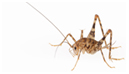
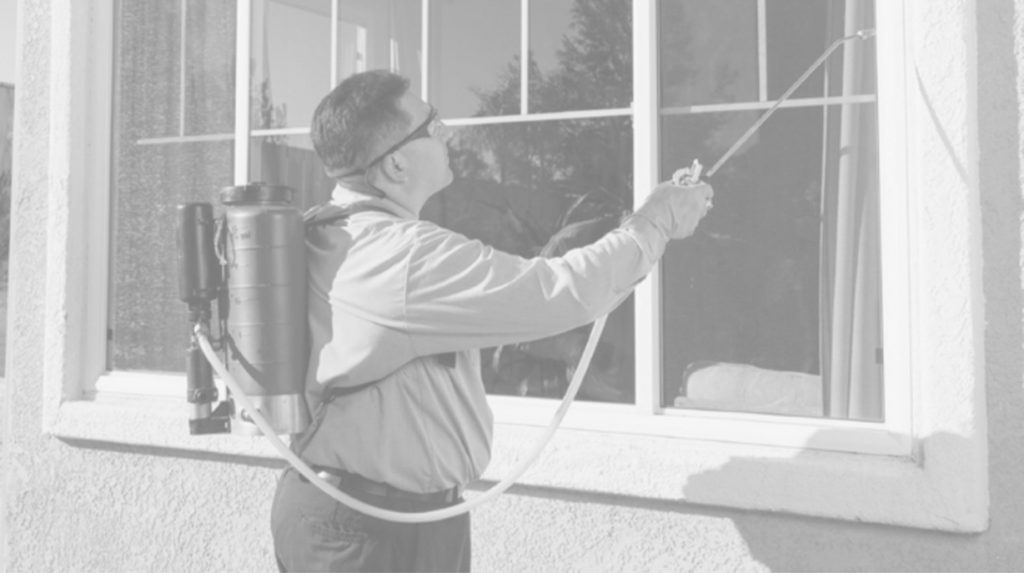
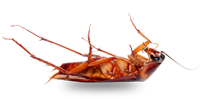
PROCEDURE Integrated Pest Management means considering the use of all or a combination of methods available to control a pest. These methods include inspection, insect, rodent or animal identification and location of a source. The first and most important decision to be made is whether or not a pesticide application is even necessary. Recommendations for sanitation, maintenance improvements, habitat alteration, reduction of moisture, work procedure changes, safe practices and treatment methods are all considered. A detailed plan and schedule are discussed for desired results. Actual treatment techniques include the perimeter, crack and crevice, baiting, spot, fogging and void treatments. Exclusion methods with screen, caulks, steel wool and plastics are possibilities. There are other pest problems and treatment methods not listed here due to the number of possibilities. Also keeping our techniques current, as technology develops new treatments and methods. INSPECTION All areas and adjacent areas must be thoroughly inspected. During the inspection process, evidence is compiled to determine what exactly is the problem. Questions are posed to the customer regarding their observations. Inspection of the premises, the building structure and the customer's traffic times and patterns are all considered by our qualified representatives before any applications are made. PEST IDENTIFICATION This is very important. For example, there are several different species of rodents in the New Jersey area. There are several species of mice and two species of rats common to this area (Norway and Roof rats). Roof rats and mice will travel and most likely live higher up in a building, whereas the Norway rats will tend to favor areas closer to the ground. Once the rodent has been correctly identified, it is obviously easier to eliminate. Food sources, harborage and their entrance and exit routes, all help with the identification of the pest to be eliminated, when studied by a professional exterminator. The same is true for insects. The German roach usually lives around the kitchen and bathroom areas, while a Cadelle beetle lives outside and is commonly mistaken for a roach. Treatment and exclusion (non-chemical) techniques are quite different. Pest identification - visit National Pest Management Association, Inc.. SANITATION Regarding German roaches, sanitation is 60% of the battle. With a good program in place, both interior and exterior and for both insects and rodents, a vast majority of pest problems can be controlled. All pests, from bacteria to bears, need and require food and harborage. By limiting the food and harborage, you can help control the pest probably by 20-30% or more. So, at 90% reduction, just by following these recommendations, you can see how cooperation is so important. TEMPERATURE Most insects and rodents thrive within a certain temperature range. For German roaches, a temperature of 65 degrees or less, affects both movement and production. A temperature above 150 degrees in the attic will kill most insects and rodents over a period of time. WATER Elimination of water will also make a big difference. Carpenter ants, for example, can thrive in a wall behind a leaky bathtub. Water on a regular basis creates mold, which is a major food source. The heat in the home provides a comfortable setting for the insects to live. HARBORAGE This is the pest's shelter. Once the insect, rodent or animal is identified and a thorough inspection is completed, the harborage will be found or limited to a certain area. German roaches can, and will, live in or on practically anything. They prefer paper and wood. We have found them in clocks, radios, alarms, ultra sound boxes (which by the way is supposed to repel them), bags, napkins, microwave ovens, brushes, brooms, behind wallpaper and paneling, behind fake brick and many other strange places. That is why the German roach is so hard to control. DECISION A decision has to be made. The questions to ask is, "what technique can be utilized to best control the pest without exposing humans and pets to unnecessary chemical hazards?" A technician is able to evaluate the entire situation, examine all available information and use an Integrated Pest Management Program. With cooperation, the result will be the control of the current pest problem and all future pests as well. HOME AND TERMITE INSPECTION An exterminator inspects a home and sees things in a certain way. A mason or carpenter would look at a home differently. An exterminator has to be aware of all trades. The general construction of the building has a lot to do with control, hidden damage and infestations. An inspection would begin at the neighbor's property. A quick glance, taking notice of streams and water runoff, would help determine whether or not there may be moisture problems. Foliage density, landscaping, tree limbs, which may provide access for squirrels and raccoons, and proximity to your neighbor's property is a consideration. Next, the utilities can be a highway to your home. Electric and cable wires can be runways for ants, sewer pipes provide avenues for rats to burrow around. All areas of the home or building must be inspected. There are many more details to be expanded upon. An exterminating business MUST be registered and their number posted. Each technician must be certified or work under a licensed pesticide applicator in one or more of 24 categories. The following is a list of a few categories pertaining to the home, business and commercial uses. C.O.R.E. is a safety-oriented test that covers the basics. The category 7A covers the identification of general household pests and the expanded use of pesticide labels. 7B covers termites and wood-destroying insects, termiticides and construction types. 7D involves food processing, which means that the technician is certified to apply pesticides in schools and manufacturing plants. 3B is turf and lawn treatments for week control and insecticides. There are a number of other categories, also. CONCLUSION There is much more to exterminating than meets the eye. We would not recommend the general public handle pesticides of any nature. They are only safe when applied by a trained professional. Horror stories include an individual trying to rid themselves of a bee's nest in their home by burning it, and a woman blowing up her trailer after using an over-the-counter fogger with the pilot light of her stove still lit (all because she did not read the can). The purpose of licensing is to provide training to use pesticides safely and only when absolutely necessary. An application should be done ONLY by a trained professional to be precise, safe and effective. Schedule a Free Inspection of your home or business facility with our trained, professional technicians. Check your local weather here, when scheduling your next service appointment. |